
Larbaâ Blida: A Vibrant Town in the Mitidja Plain
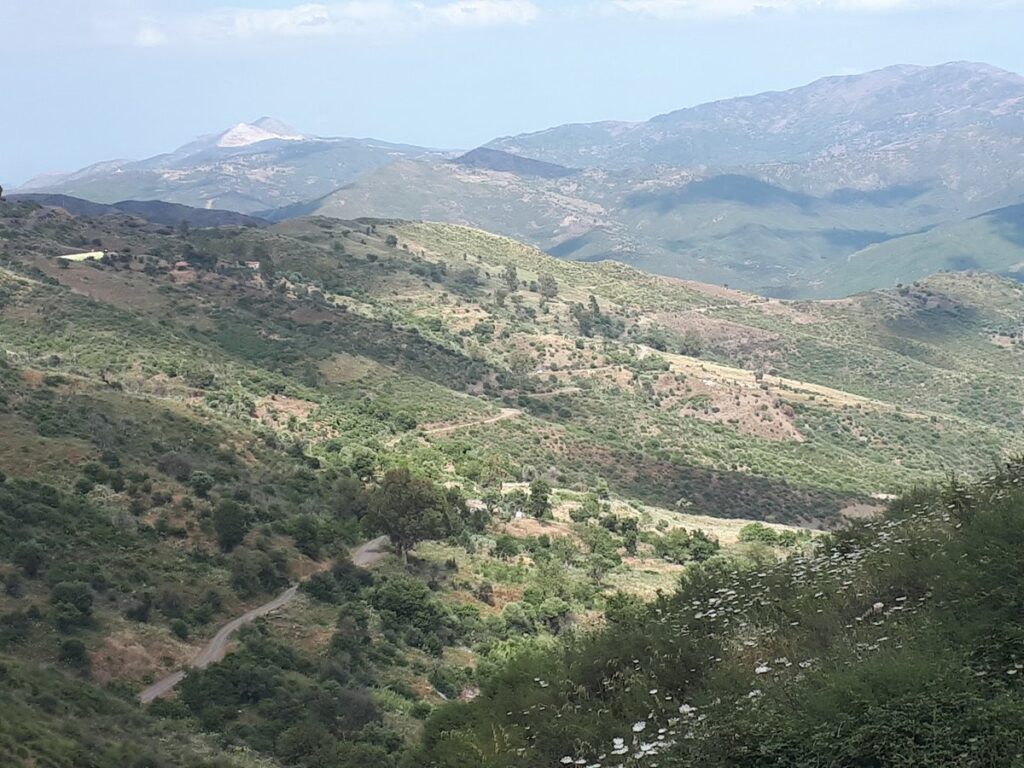
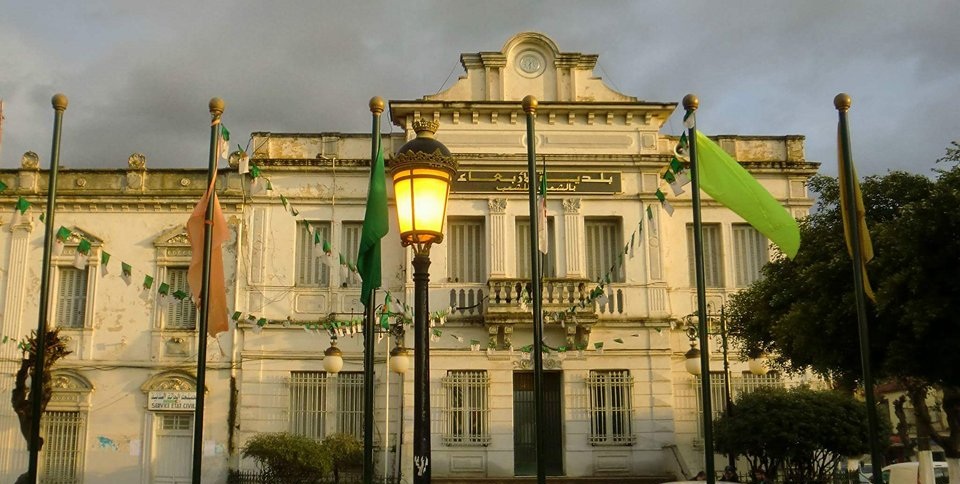
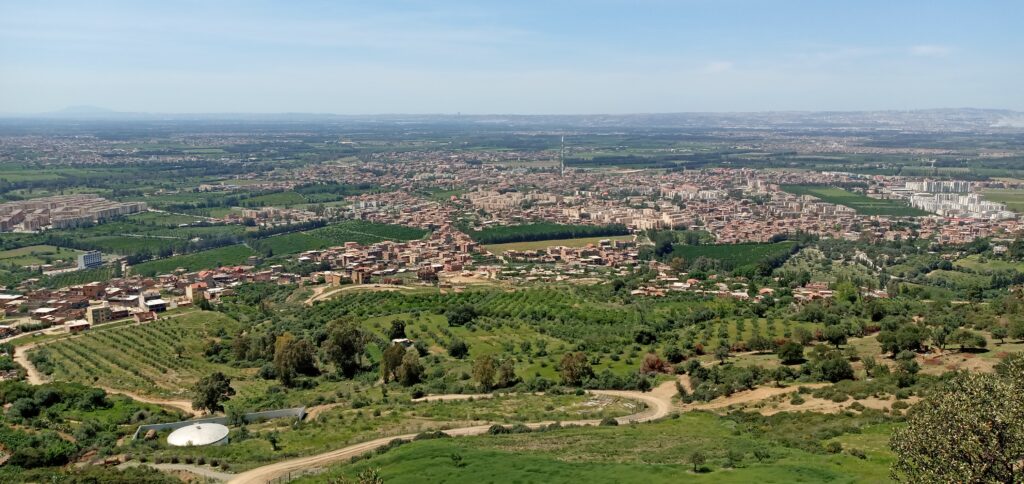
Nestled in the heart of the Mitidja plain, Larbaâ is one of Blida’s most dynamic communes. Known for its agricultural roots and growing urban life, this town blends history, culture, and economic energy. Whether you are a traveler, a new resident, or simply curious about Blida’s regions, this guide will take you through everything you should know about Larbaâ.
Key Facts about Larbaâ
| Category | Information |
| Wilaya | البليدة |
| District | Larbaâ |
| المنطقة | Around 85.25 km² |
| Coordinates | 36.5652° N, 3.1539° E |
| Elevation | 95–100 meters |
| Population (2008) | About 83,819 inhabitants |
| Postal Code | 09210 |
Location and Geography
Larbaâ sits on the eastern side of Blida Province, close to the border with Algiers. The town lies within the Mitidja plain, one of Algeria’s most fertile agricultural regions. Thanks to its flat terrain and mild climate, it has become a key area for fruit and vegetable production.
Its strategic location, connected by the National Roads RN8 and RN29, makes it an essential transit point between Blida, Boufarik, and the capital Algiers.
A Glimpse into History
Before French colonization, the area was known as Sidi Nacer, named after a local religious figure. During the colonial period, it was transformed into a settlement area and officially became a commune in 1856 under the name “l’Arba” or “l’Arbah.”
After Algeria’s independence, the town reclaimed its Arabic identity and became known as Larbaâ, sometimes referred to as Larbaa Bni Moussa. Over time, it has grown from a small agricultural village into a bustling urban center with diverse activities and a young population.
Economy and Daily Life
The local economy of Larbaâ remains deeply connected to agriculture, but it is also expanding into new sectors. The fertile Mitidja plain supports the cultivation of citrus fruits, olives, and cereals.
At the same time, the town’s location has made it attractive for small industries, trade, and services. Larbaâ hosts one of the region’s best-known weekly markets, where locals gather for:
| Market | Day | What to Expect |
| Livestock Market | Friday | Cattle, sheep, and poultry trade |
| Car Market | Saturday | Buying and selling vehicles |
| Central Market | Daily | Fruits, vegetables, and local products |
Culture and Sports
Larbaâ’s community is active and passionate about football. The local club, RC Arbaâ (RCA), has a strong presence in national competitions. Their home ground, Stade Ismaïl-Makhlouf, was renovated in 2013 and continues to host local and regional matches.
Cultural life in Larbaâ also reflects its mix of tradition and youth. You will find a growing number of associations and initiatives promoting education, art, and environmental awareness.
Infrastructure and Urban Development
With a growing population, Larbaâ has witnessed significant urban expansion. New housing projects, schools, and public services have improved living standards and attracted more residents from nearby regions.
The commune also benefits from its proximity to industrial zones and transportation routes, connecting it quickly to Algiers and other cities in northern Algeria.
Tourism and Nearby Attractions
Larbaâ may not be a major tourist hub, but it is ideally positioned for visitors who enjoy nature, history, and rural life. Some attractions include:
| Attraction | Description |
| Mitidja Plain | Explore vast green fields and fruit orchards. Ideal for walking and photography. |
| Nearby Forests | Short trips to wooded areas around Blida provide peaceful escapes and picnic spots. |
| Chréa National Park | About 30 km away, this park offers mountains, hiking trails, and the famous Chréa ski resort. |
| Blida City | 20 km from Larbaâ, Blida features historical architecture, museums, and local cuisine. |
| Souhane Village | Part of Larbaâ district, perfect for rural tourism and discovering local traditions. |
Visiting these sites is easy thanks to Larbaâ’s road connections, making it a great base for exploring northern Algeria.
How to Visit Larbaâ
Reaching Larbaâ is straightforward:
- Car: via RN8 or RN29.
- Train: the suburban railway connects Larbaâ with Algiers and Blida.
- Bus: frequent lines operate daily between Algiers, Boufarik, and Larbaâ.
Once there, plan to explore the markets, local streets, and nearby natural areas. The town’s warm community adds to the charm.