
Maajoun Tarf: A Sweet Paste of Blida’s Heritage
In the heart of Blida’s culinary tradition lies a delectable treat called maajoun tarf. Although detailed documentation is scarce, this sweet paste carries rich flavour and local identity. It is prepared in homes, passed from one generation to another, and celebrated during special occasions.
What is Maajoun Tarf
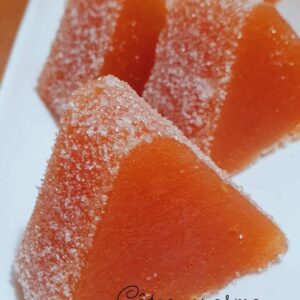
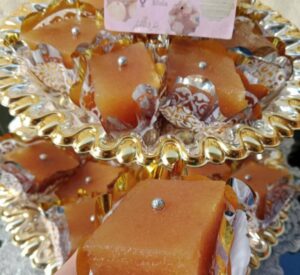
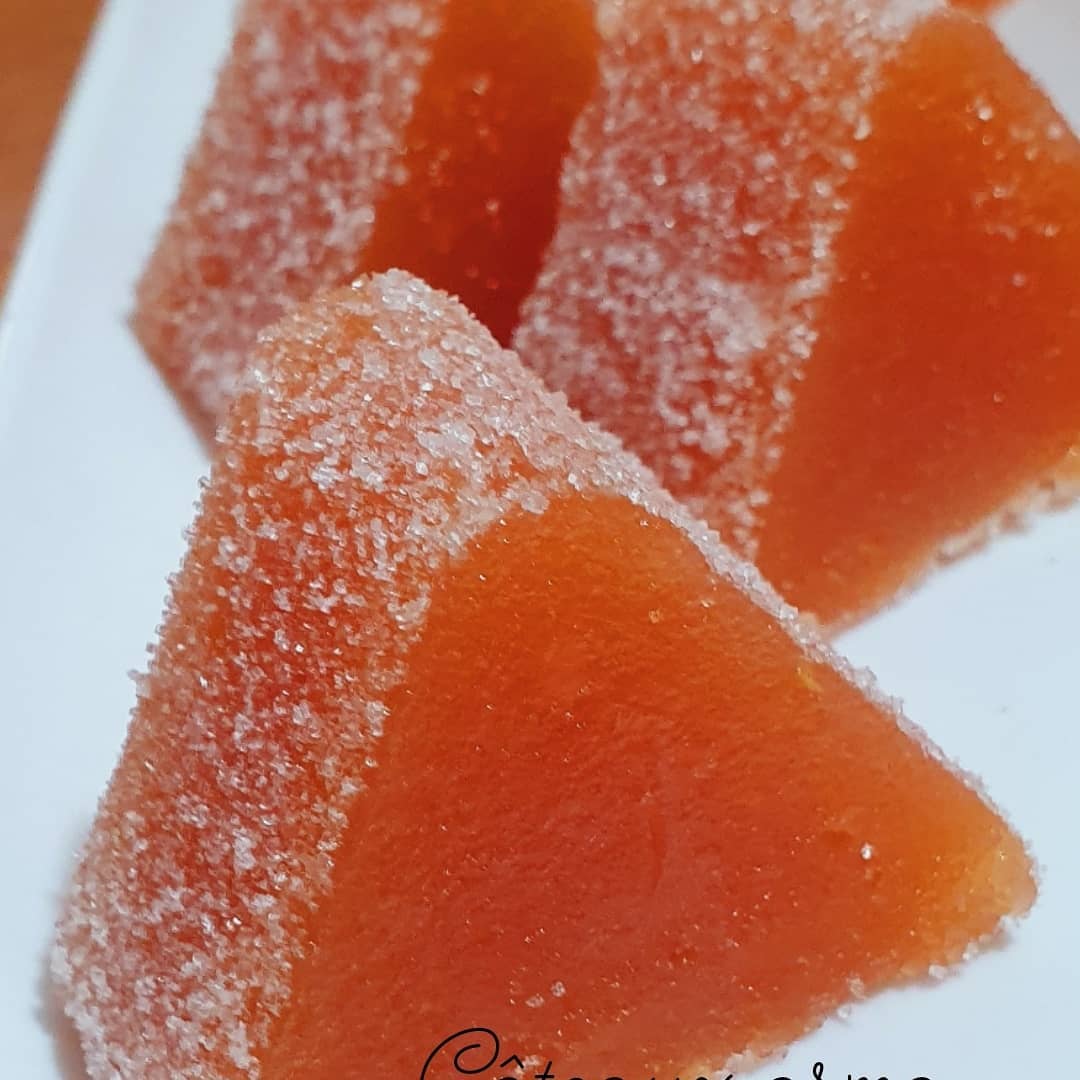
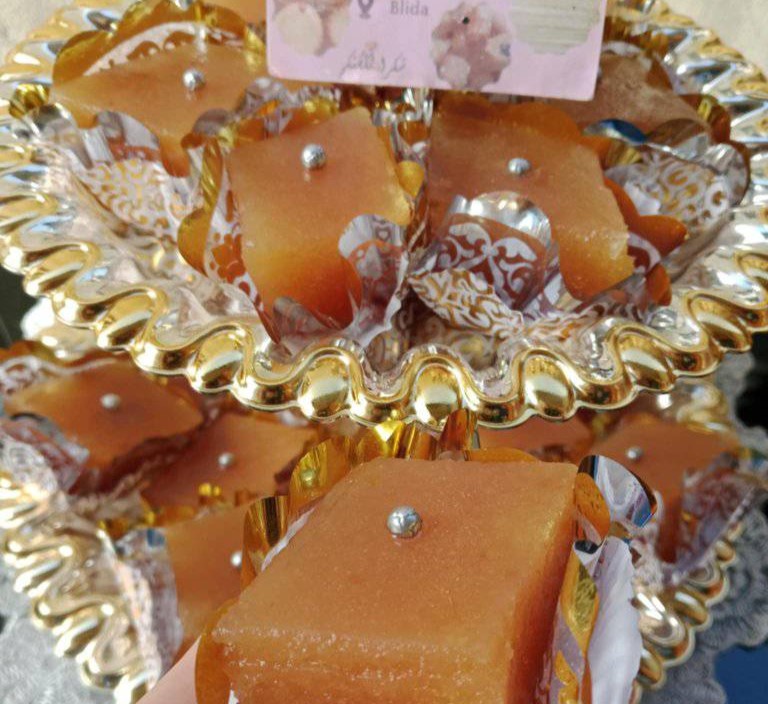
Maajoun tarf is a sweet jam-like paste whose name suggests both sweetness (“maajoun”) and a local twist (“tarf”). It is typically made from fruits or dried fruits, possibly honied or sugared, and then stored or served as a treat. Because the region of Blida treasures its sweets, this paste fits neatly into the local dessert repertoire.
Ingredients & General Method
Since no official recipe is widely published, one can infer the components and method by analogy with traditional Algerian pastes:
- Use ripe local fruits (for example figs, dates, apricots) or dried fruits.
- Cook them gently with honey or sugar and perhaps spices (cinnamon, orange blossom water) until they form a thick paste.
- Pour into small jars, and let them cool or set.
- Serve small portions after main meals, or during tea time with nuts.
Because it is a homemade specialty, recipes vary from household to household, and substitutions (nuts, flavors) may appear.
Cultural Significance
Maajoun tarf reflects the heritage of Blida in several ways. Firstly, it uses local produce and connects with harvest traditions. Moreover, through the simple act of making preserves at home, families reinforce communal bonds. Since the sweets of Blida are listed among the region’s features, this paste becomes part of that identity.
Tips for Preparation & Enjoyment
- Choose fully ripe or high-quality dried fruits to ensure rich taste and colour.
- Use a moderate sugar-or-honey level so that the flavour of the fruit remains dominant.
- Store in sterilised jars if you plan to keep it for a while.
- Serve with strong coffee or tea, which balances the sweetness.
- You may consider adding chopped almonds or pistachios for texture and visual appeal.
Challenges & Why it Matters
Because maajoun tarf is little documented, its preservation hinges on oral tradition and family practice. That situation presents both challenges and opportunities:
- Challenge: Without written-down recipes and standardisation, the sweet may be lost or altered significantly over time.
- Opportunity: Enthusiasts can revive it, document variants, adapt for modern kitchens, and promote it as part of Blida’s gastronomic tourism.