



Overview
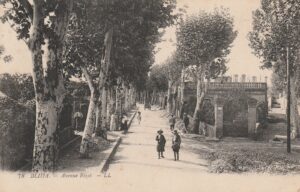
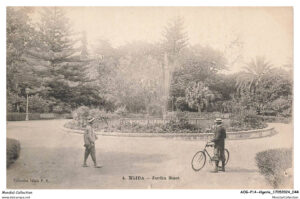
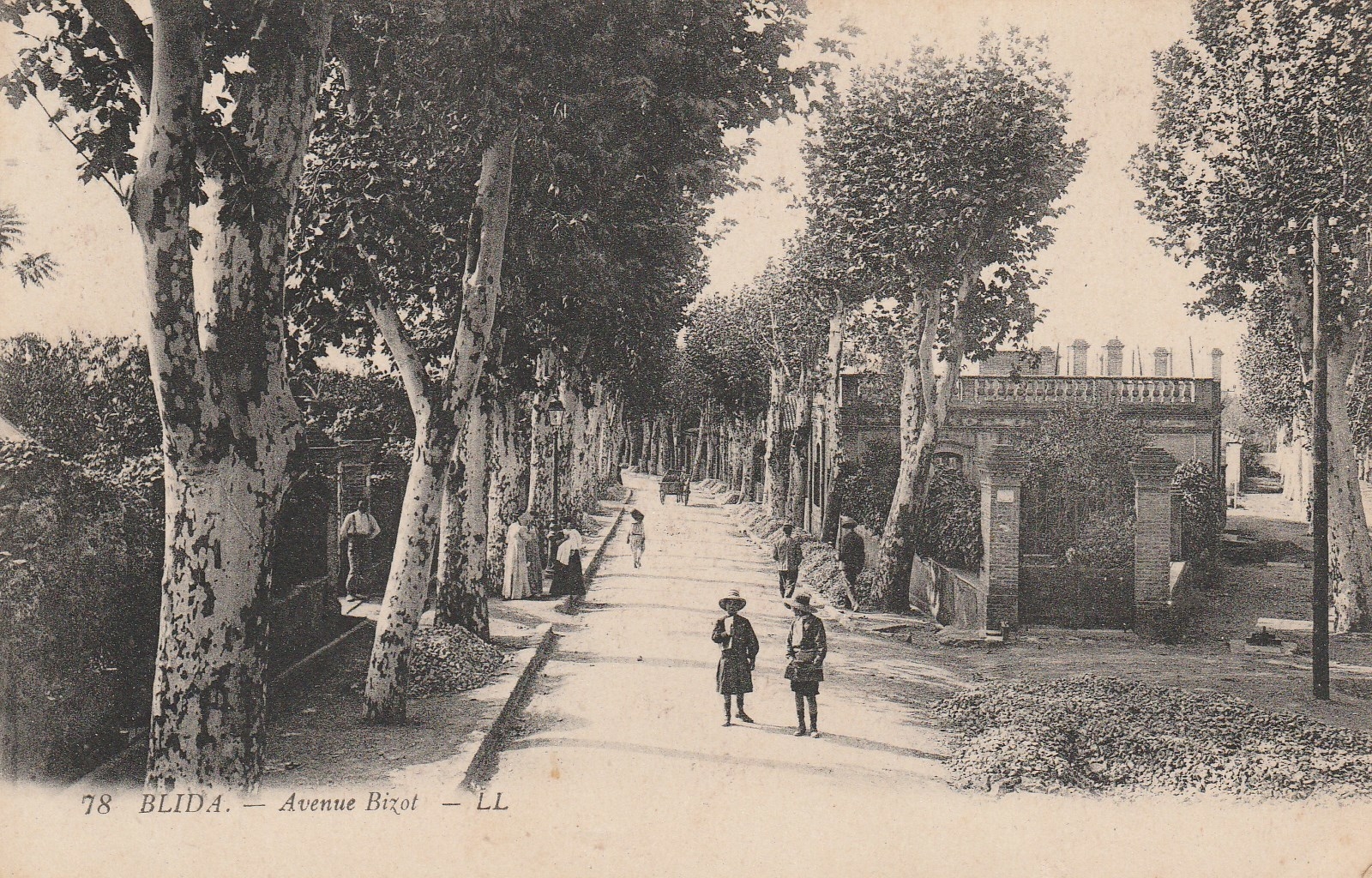
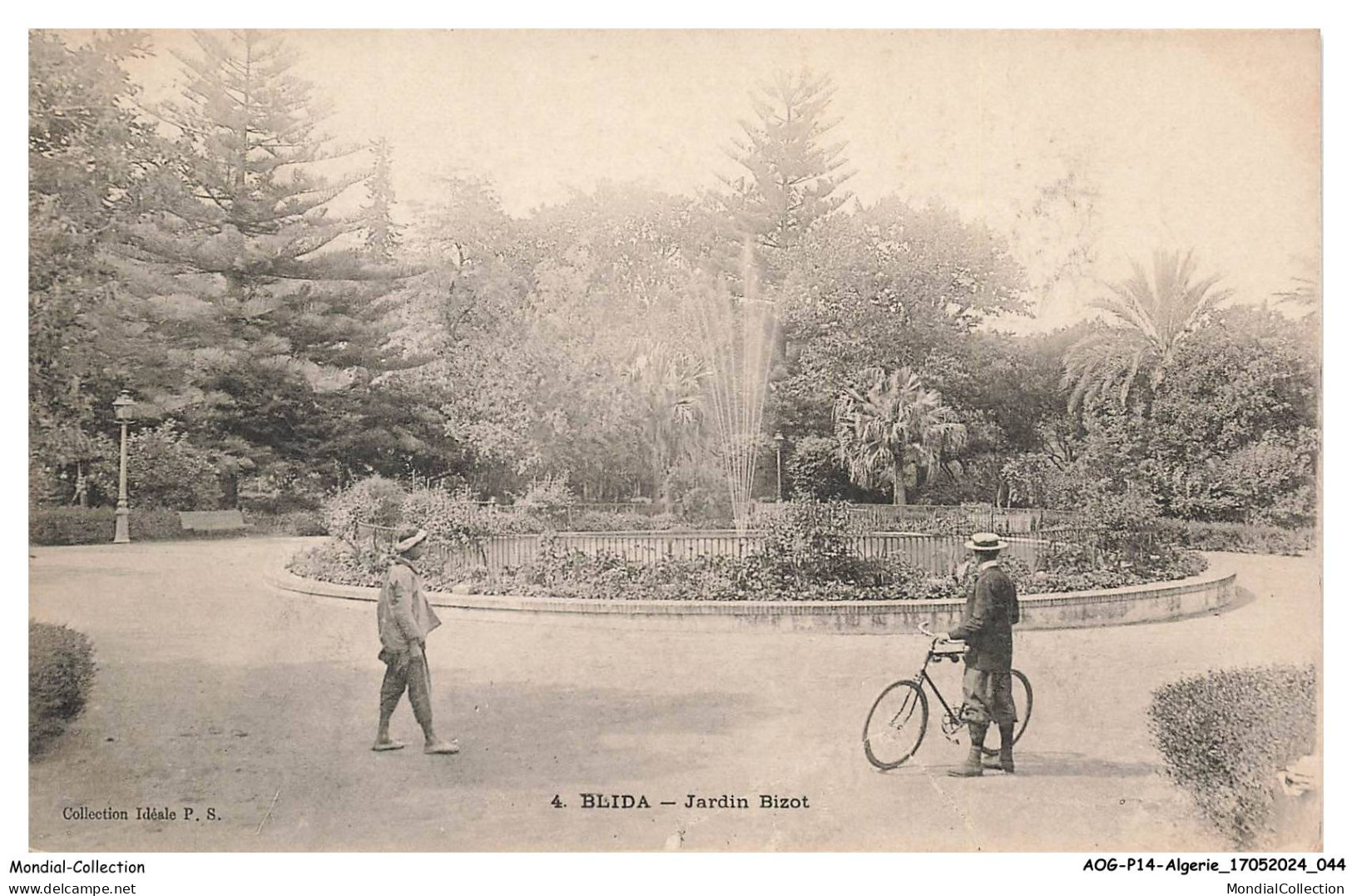
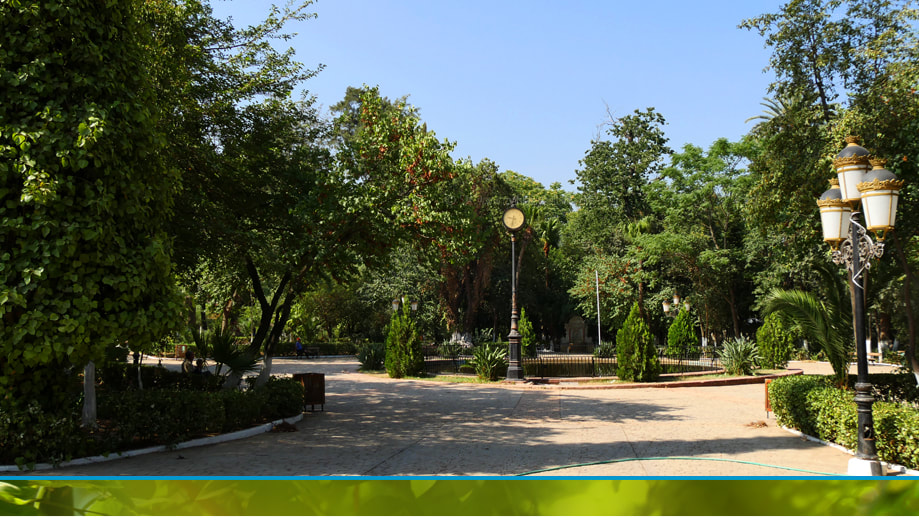
Patrice-Lumumba Garden, known historically as Jardin Bizot, is one of Blida’s oldest parks. It sits near Place Ettoute, close to Lycée Ibn Rochd, along Oued Sidi el Kebir. The garden covers around 12,000 m² and remains a symbolic green space in the city. It reflects more than a century of history, community life, and cultural heritage.
Brief History
The park was created in 1867 by the Blida Municipality under Mayor Borély La Sapie. It was part of a colonial plan to develop public gardens and introduce diverse plant species in major Algerian cities. The garden first carried the name of Colonel Michell Bizot. In 1968, it was renamed to honor Patrice Lumumba.
Development Through Time
In the late 19th century, the garden became the center of legal disputes, as military lands were offered for sale. Newspapers like Le Tell defended the garden and pushed for its protection. Public opinion viewed it as a treasure that should stay open for the community. Despite tensions, the garden continued to evolve and welcome visitors.
Cultural and Social Life
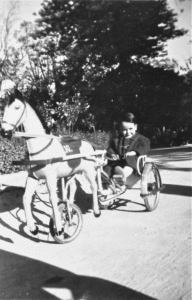
During the 20th century, the park hosted many family activities. Children enjoyed donkey rides, while adults participated in boules tournaments, public dances, and concerts. The pond once held ducks and goldfish, and shaded paths attracted daily visitors. Even when big events declined, the park kept its peaceful charm.
Landscape and Main Features
Patrice-Lumumba Garden preserves its old character. The marble fountain installed in 1928 still stands as a key landmark. Large, century-old trees offer shade during warm days. Flower beds, calm pathways, and the river-fed pond make the garden a relaxing place for families.
Current Use
Today, the garden is open for daily walks and occasional cultural events. Some evenings feature small concerts or community activities. Residents visit it for its calm atmosphere and historical identity. It remains one of Blida’s most appreciated urban spaces.
Why It Matters
The story of Jardin Bizot reflects Blida’s relationship with nature and community life. It shows how a simple green space can become a cultural symbol. The garden carries memories of politics, social gatherings, and shared traditions. For residents and visitors, it stands as a living part of Blida’s heritage.