
In the heart of the Algerian region around Blida, one finds a dish called Said w Qassoul . Although documentation remains limited, the recipe appears under various forms and connects deeply with local culinary traditions. This article explores its meaning, ingredients, preparation, and cultural role.
What is Said w Qassoul?
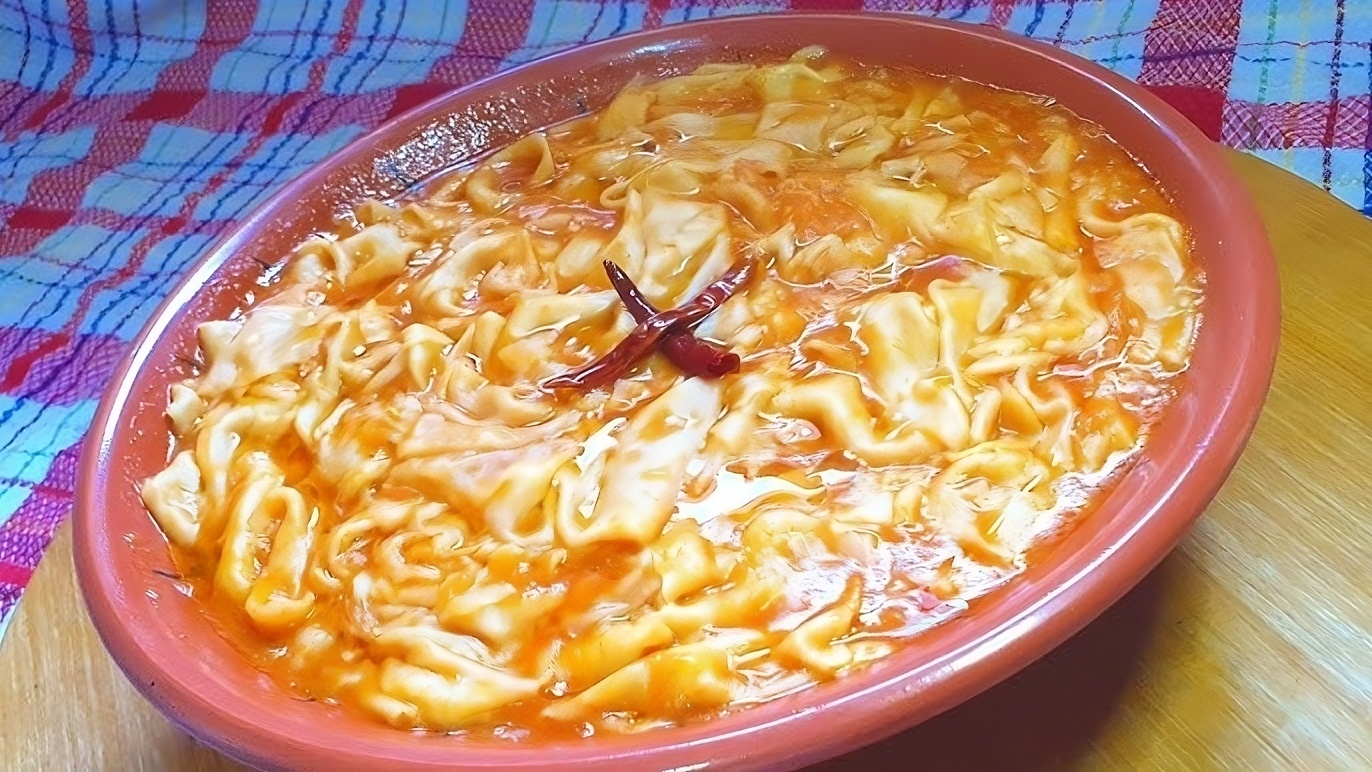
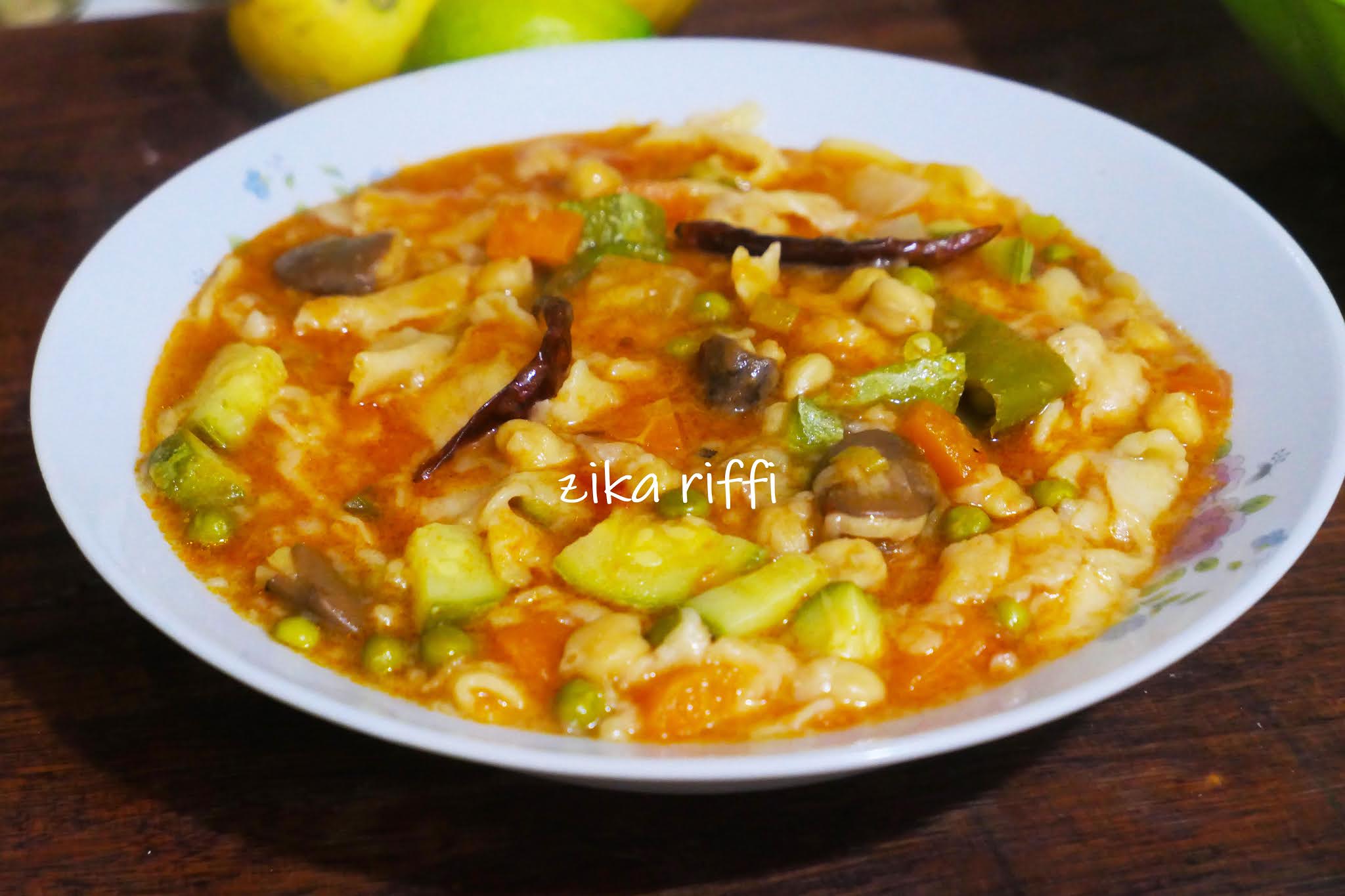
Firstly, the name Said w Qassoul seems to refer to a dish of thin pastry or dough (often called “ftir” or “afatir”) served in a vegetable-based sauce, sometimes with meat. For example, one blog describes “Ftir w qassoul … fine rolled dough cooked in sauce with vegetables and dried meat or without meat.”
Secondly, although the precise variant called “Said w Qassoul” is less referenced, the “qassoul” part strongly appears in sources from Blida’s region of gastronomy.
Therefore, Said w Qassoul can be viewed as a regional variation of this concept: dough + sauce + optional meat.
Ingredients & Basic Method
Although no fully verified standard recipe for Said w Qassoul exists, one can infer a typical method based on similar dishes:
- Prepare dough: roll thin sheets of wheat flour dough, cut into strips or squares.
- Make the sauce: sauté seasonal vegetables (for example zucchini, carrots, peas) until tender.
- Optional addition: dried or confit meat (khli3 or gueddid) may be added for richness.
- Cook the dough either in boiling water then transfer to sauce, or cook directly in the sauce. Mix until everything combines.
- Serve hot, often at home-style meals.
Why It Matters in Blida
Because Blida’s gastronomy features many unique dishes, Said w Qassoul stands out even though its references are thin. The official tourism site of Blida notes certain specialties for the region.
Moreover, dishes like this reflect local resourcefulness: combining simple dough with vegetables and preserved meats, they illustrate how home meals have been organised for generations. Thus, the dish connects with family tradition, seasonal cooking, and regional identity.
Tips & Variations
- Use fresh seasonal vegetables for the sauce to capture local flavours.
- If meat is added, choose lightly salted or preserved meat for authenticity.
- The dough should be thin but resilient — not overcooked or soggy.
- Serve with a simple side like salad or pickles to balance richness.
- You can adapt to vegetarian form by omitting meat and focusing on hearty vegetables.
Challenges & What is Unknown
At the same time, the dish has aspects that remain unclear:
- The exact origin of the name “Said w Qassoul” is not well documented.
- The precise local version in Blida (timing, spices, proportion) is not widely written.
- Because documentation is limited, what exists may reflect broader Algerian or Berber traditions, rather than a strictly Blidian recipe.